Coverage & Image Detail
Select camera positions and resolution around entrances, property size, viewing distance and areas requiring closer detail.

Network Camera Systems Across Toronto & the GTA
Plan and install a scalable IP security camera system with network connectivity, NVR recording, clear coverage and supported remote viewing.
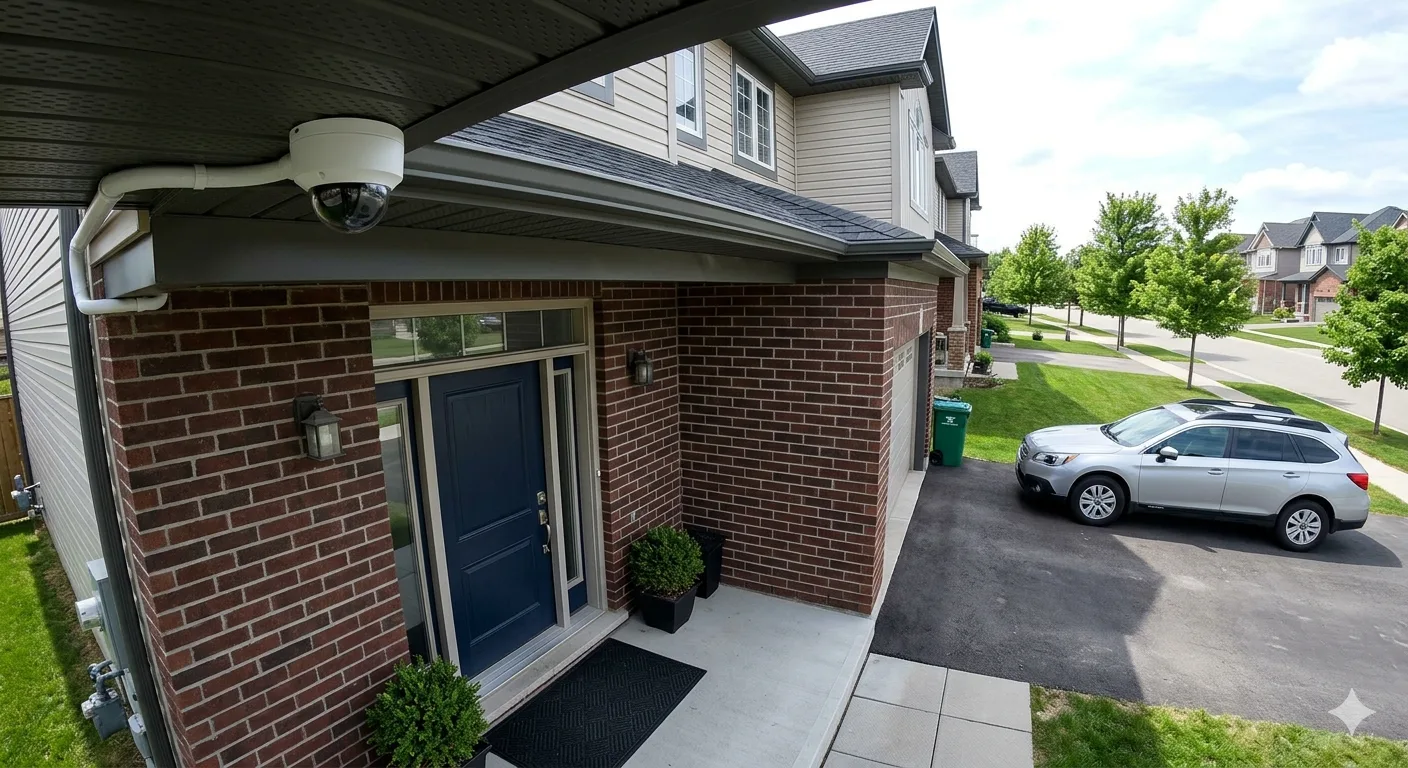
IP System Planning
A reliable network camera installation depends on more than camera resolution. Cabling, power, bandwidth, recording and authorized access all need to work together.
Select camera positions and resolution around entrances, property size, viewing distance and areas requiring closer detail.
Review network routes, PoE power, cable distance and available infrastructure before camera locations are finalized.
Match NVR channels, storage capacity, resolution and retention expectations to the number of cameras being installed.
Choose suitable IP camera types for offices, homes, retail areas, parking, yards, loading points and exposed conditions.
Plan supported mobile or computer access with appropriate network setup and authorized user permissions.
Consider spare NVR channels, network capacity and cable routes when additional cameras may be needed later.
Not sure whether IP or wired CCTV is right for your property? Share your layout, coverage goals and existing network details so the system options can be compared.
Compare Camera Options →How an IP system works
IP cameras send video across a network to a compatible recorder or viewing system. The result depends on camera placement, network capacity, power delivery and how long you need recordings available.
Kancam reviews the property and existing infrastructure before recommending camera locations, PoE connections, NVR capacity and access for authorized users. Homes and businesses can each have a different system design.
The actual connection and storage setup depends on the equipment and site requirements.
Installation scope
The final equipment and work are defined by the site survey and quote. These are the parts of an IP camera project we plan together.
Choose views and camera specifications around entrances, distance, lighting and indoor or outdoor conditions.
Explore installation service →Review cable routes, power budgets and compatible switching for dependable connections.
Explore wired options →Plan recording channels and capacity around camera count, resolution and desired footage history.
Explore surveillance options →Configure supported playback and access for approved users on compatible devices.
Explore monitoring options →Consider mounting, weather exposure and low light needs for entrances, driveways, yards and parking.
Explore outdoor cameras →Check camera views, recording and supported access, then show designated users the essential controls.
Need to add IP cameras to an existing system?Tell us the recorder model, camera models and network details for a compatibility review.
Request a System Review →Where IP cameras fit
The network design, camera positions and recording needs change with the property. Choose coverage based on what you need to see and how the system will be used.
Plan views around entrances, driveways, garages, side paths and yards, with compatible recording and authorized phone viewing.
Coordinate coverage across retail floors, office entrances, warehouses, loading zones and parking, with planned network and recorder capacity.
System components
IP cameras work as a system. These decisions help establish stable connections, the right recording capacity and secure access.
Confirm that switches or recorder ports can provide enough power for the selected cameras, including outdoor models with higher demand.
Plan appropriate network cable paths, lengths and protection before deciding where each camera will mount.
Match camera count and supported features to recorder channels and verify compatibility before mixing devices.
Estimate storage using resolution, frame rate, recording schedule, camera count and the footage history you need.
Review switches, available bandwidth and existing traffic so added cameras fit the property network.
Set suitable user permissions and review supported remote viewing features on the chosen system.
Have an existing network or NVR?Share the model numbers and camera requirements so compatibility and expansion options can be checked.
Discuss Your IP System →Why choose IP cameras
When cameras, cabling, network equipment and recording are planned together, an IP system can be tailored to the property today and adjusted as needs change.
Choose camera positions and compatible models for entrances, shared spaces and other areas that need a clear view.
With compatible equipment, one network cable can carry both power and data to each PoE camera.
Match the NVR, storage and recording schedule to the number of cameras and the footage history required.
Access live or recorded video on supported devices after the system and authorized accounts are set up.
Allow for additional cameras by planning recorder channels, switch capacity, cabling and storage early.
Set up supported user roles so household members or staff have the viewing permissions they need.
Need broader coverage options? See our video surveillance installation service.
How installation works
Every property has different camera positions, wiring routes and network constraints. This process keeps the equipment plan and final setup aligned with your goals.
Identify priority areas, existing equipment and who needs access to the footage.
Review mounting points, cable paths, network connection and PoE requirements.
Choose compatible cameras, recorder and storage options for the agreed scope.
Mount cameras, run cables and set up recording and supported user access.
Check camera views, recording and authorized viewing, then walk through basic use.
Ready to plan your installation?Tell us about your property and the areas you want to cover.
Request an IP Camera Quote →Already have cameras?
A new IP camera project does not always start from an empty wall. Start by checking your current cameras, recorder, network and cabling before choosing what to retain or replace.
Camera and NVR models, cable condition, available PoE power and recording capacity all affect the upgrade route. Compatibility should be confirmed before new equipment is connected.
Check available recorder channels, switch ports, cable paths and storage before adding cameras.
Compare replacement cameras and recorders with the existing system and desired viewing features.
Review retention goals, recording schedules, storage and authorized access when reconfiguring the system.
Service areas
Find security camera installation information for your city and discuss the camera coverage, network setup and recording options your property needs.
For a property outside these listed cities, share its location and installation requirements.
Ask About Your Location →Common questions
Answers to common planning questions about PoE cameras, recording, remote viewing and upgrading an existing system.
An IP camera sends video over a network. Depending on the model and system design, it can connect to a network recorder, support PoE and offer authorized remote viewing.
No. Many IP systems use wired Ethernet, often with PoE for power and data. Wireless options depend on the camera model and available power.
Many compatible systems offer phone viewing after the recorder or camera, network connection and authorized accounts are configured. Available features depend on the equipment.
Retention depends on storage size, camera count, video settings and recording schedule. The required footage history should be discussed before choosing storage.
Possibly. Camera and recorder compatibility, supported features, free channels and PoE capacity must be checked first. See our camera troubleshooting service for existing-system issues.
Camera count, mounting locations, cable routes, network equipment, recorder and storage needs all affect the scope. Request a quote for a plan based on your property.
Plan your camera system
Tell us the property location, areas to cover and whether you already have cameras or a recorder. We can use those details to discuss a suitable installation scope.
Need a different camera setup? Explore related installation services.
